
Video assistant referee (VAR) causes controversy every week, whether it be the Premier League, Champions League or FA Cup, but how are decisions made, and are they correct?
This FIFA World Cup, we take a look at the major incidents to examine and explain the process in terms of the VAR protocol and the Laws of the Game. Read more
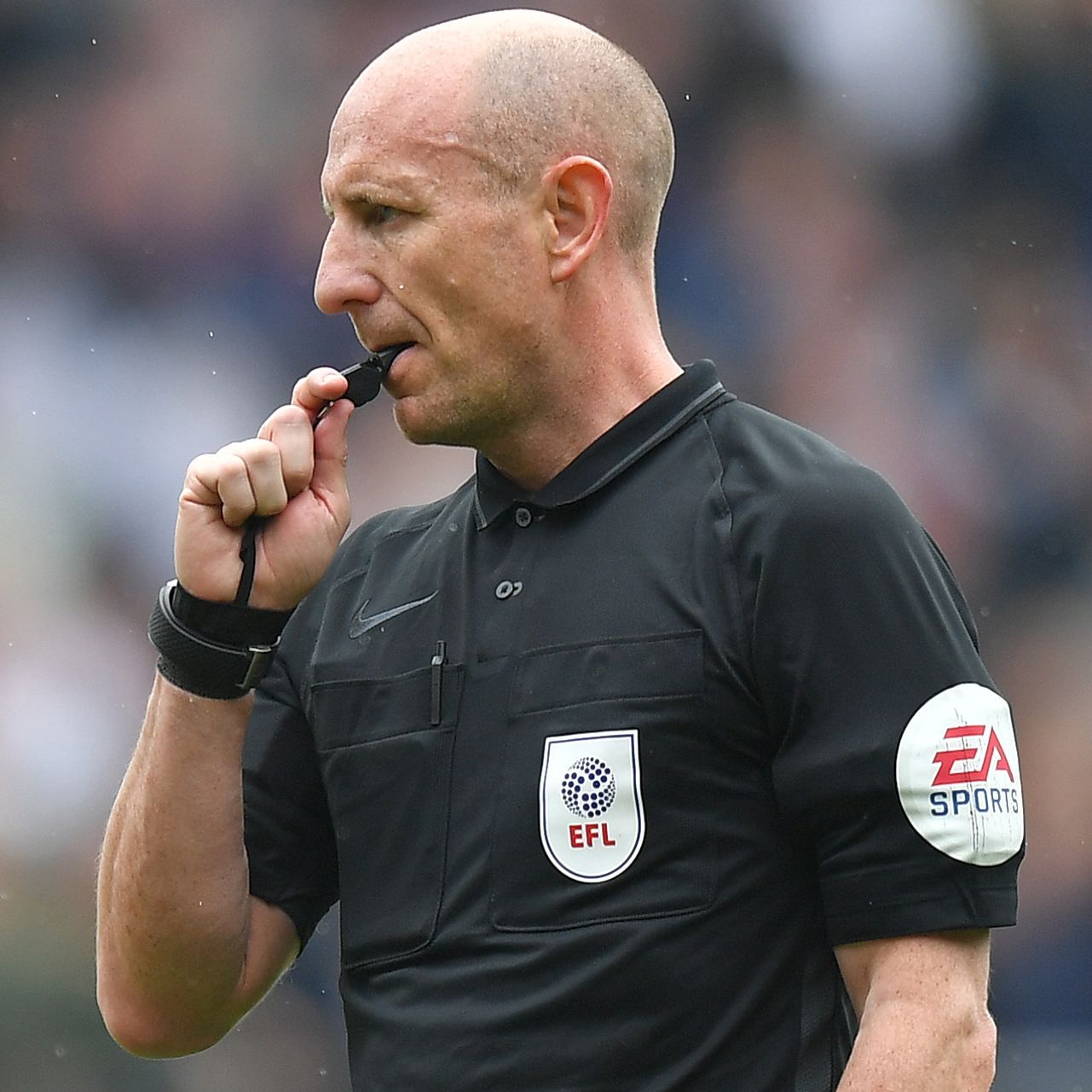 Andy Davies (@andydaviesref) is a former Select Group referee, with over 12 seasons on the elite list, working across the Premier League and Championship. With extensive experience at the elite level, he has operated within the VAR space in the Premier League and offers a unique insight into the processes, rationale and protocols that are delivered on a matchday.
Sweden vs. Tunisia
Referee: Yael Falcón Pérez
VAR: Juan Lara
Time: 84th minute
Incident: VAR overturn. Goal awarded to Sweden via a VAR review and use of "connected ball tracking" technology, with the original on-field decision of offside and no goal overturned.
What happened? Sweden's Mattias Svanberg scored the fourth goal of the game with his first touch, just 12 seconds after coming off the bench -- the fastest goal ever at a World Cup by a substitute -- but it was ruled offside.
However, the VAR overturned the decision after ruling there was a slight flick on the ball by his teammate Alexander Isak which played Svanberg onside. It was a decision reached by using Adidas' connected ball technology (which is similar to the "snickometer" device used in cricket to tell if a player has hit the ball with their bat).
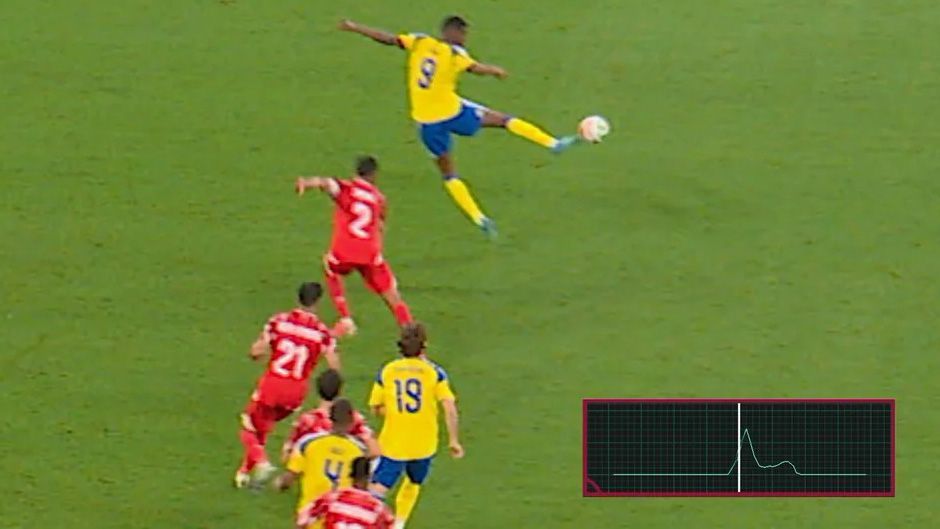
(Credit: SVT)
VAR review: The key focus on this review was centered around a potential touch by Isak before the ball reached Svanberg, as this would reset the play and determine whether the goal was allowed.
To the naked eye, this was impossible to judge, and the on-field decision of offside appeared to be a credible and correct one. However, the VAR is able to use Adidas' ball tracking technology, and the system identified the slightest of touches by Isak, which reset the phase, meaning the goal should stand.
Verdict: This isn't totally new. The ball includes technology that can provide real-time data to match officials. It also captures every touch made by players with sensors, with the original news release stating the technology "will help inform offside situations as well as assist in detecting unclear touches thereby ultimately improving the quality and speed of VAR decision-making process."
And this has happened before. Cristiano Ronaldo famously missed out on a goal to his Portugal teammate Bruno Fernandes in the team's opening win over Uruguay at the 2022 World Cup, FIFA and Adidas confirmed to ESPN at the time.
Portugal opened the scoring in the 54th minute, but the identity of the goal scorer was shrouded in doubt, with both Fernandes and coach Fernando Santos unable to clarify postmatch whether or not Ronaldo provided the decisive final touch. However, ESPN was told that the new technology inside the Adidas ball proved that Ronaldo's head did not make contact and the goal stayed with Fernandes.
Fans, though, were none the wiser as there was nothing shared on TV screens.
That changed at Euro 2024, when the broadcast showed that Belgium's Loïs Openda had touched the ball with his hand before Romelu Lukaku's goal against Slovakia. And it was disallowed.
For this World Cup in 2026, it was the correct call by the VAR and utilized the technology available to determine a correct outcome. This tool has kept a relatively low profile in the soccer world, aside from the events detailed above. However, this was a great example in which a goal was awarded correctly while a human judgement, quite understandably, would have reached a different outcome and a goal unfairly disallowed.