
There has been much debate around the controversial decision to send off the United States' Folarin Balogun in the 2-0 win over Bosnia-Herzegovina, with many comparing this outcome with the decision not to send off Argentina's Lionel Messi when he appeared to rake his studs down the back of the calf of Algeria's Aïssa Mandi. As reference, Messi did not receive any sanction from the referee for this contact -- but were they different impact?
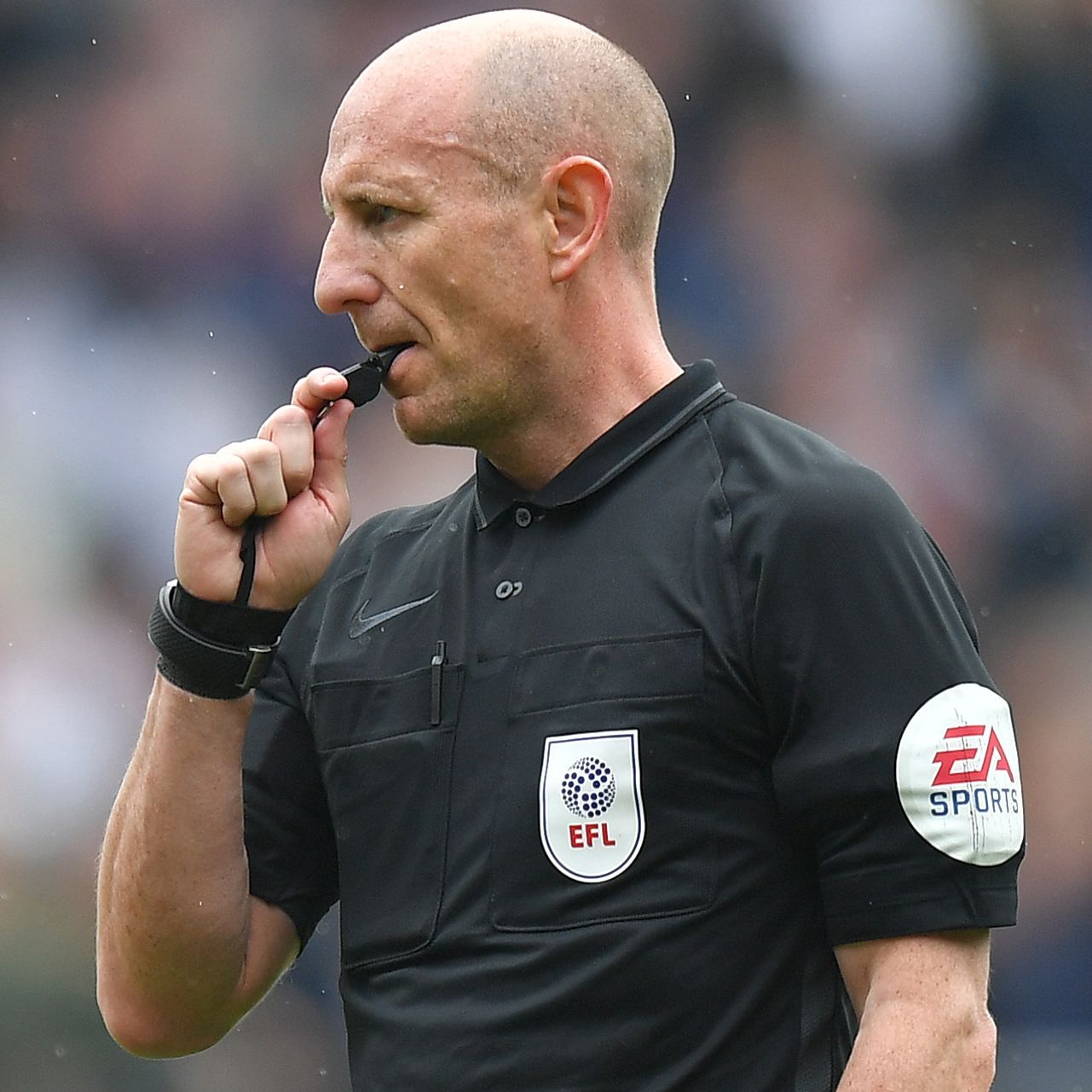 Andy Davies (@andydaviesref) is a former Select Group referee, with over 12 seasons on the elite list, working across the Premier League and Championship. With extensive experience at the elite level, he has operated within the VAR space in the Premier League and offers a unique insight into the processes, rationale and protocols that are delivered on a Premier League matchday.
Incidents explained
- Balogun was sent off for a serious foul play challenge when he tangled with his opponent, Tarik Muharemovic, and landed on the ankle of the Bosnia-Herzegovina player with significant impact.
- Messi challenged the Algeria player from behind, making contact with the back of his opponent's calf with his studs as he attempted to challenge for the ball. The referee took no action in that moment.
Are the comparisons fair?
The short answer is no.
It's not a helpful exercise to try to compare any two situations, as no two situations on a pitch are the same, and these two incidents are certainly a good example of this.
Aside from the extensive debates about whether they should have been red cards, the two incidents have no similarities and, importantly, are completely different in their detail and dynamics.
Messi verdict: The key context in this incident is that Messi is clearly making a conscious action as he is challenging for the ball.
By tackling his opponent in the manner he did, he showed a disregard for the safety of his opponent. Once there is contact with studs on the calf with a level of force, this endangers the safety of an opponent and should be a red card. Messi's intent to foul in this manner is irrelevant; intent is not a consideration in law, and the facts of any contact should be the defining factor.
Why was there no red card decision? It is difficult to understand why this was not picked up on the field by the referee. The VAR didn't feel the level of contact was forceful enough to be an on-field red card review, which is very debatable.
Balogun verdict: The important context around this situation is that Balogun did not at any point show a disregard for the safety of his opponent, nor did he endanger his opponent with an action. Contact occurred during what would be considered normal football movement. There should be no consideration for a red card in this situation.
Why was this given as a red card? The VAR got involved in this situation.
Having viewed the replays in slow motion and still pics, the VAR was adamant this should have been a red card given the unfortunate impact injury suffered by the Bosnia-Herzegovina defender. The pictures do not look good. However, the VAR negated any context of a full-speed replay, deciding to use the slower replays when presenting the replays and his thoughts to the referee.
Conclusion
While I understand the noise around both incidents, the truth is they should not and cannot be compared, given the differing nature of both incidents.
What is clear, though, in my opinion, is that a red card and a non-action were the correct outcomes; however, they have been applied the wrong way around.