
Video assistant referee causes controversy every week, whether it be the Premier League, Champions League or FA Cup, but how are decisions made, and are they correct?
This season, we take a look at the major incidents to examine and explain the process in terms of both VAR protocol and the laws of the game.
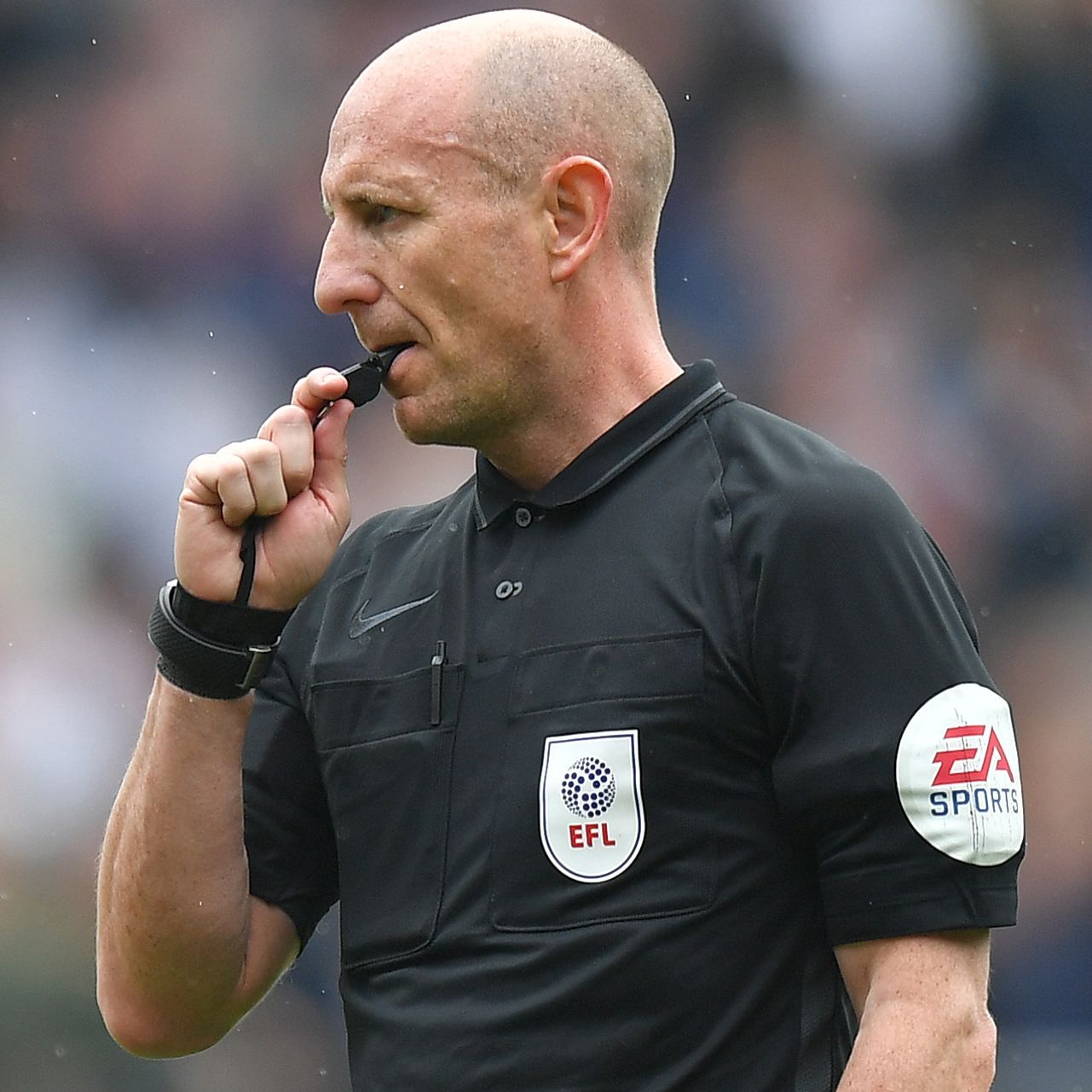 Andy Davies (@andydaviesref) is a former Select Group referee, with over 12 seasons on the elite list, working across the Premier League and Championship. With extensive experience at the elite level, he has operated within the VAR space in the Premier League and offers a unique insight into the processes, rationale and protocols that are delivered on a Premier League matchday.
West Ham 0-1 Arsenal
Referee: Chris Kavanagh
VAR: Darren England
Time: 90+5 minutes
Incident: West Ham goal disallowed due to foul
A thrilling West Ham vs. Arsenal second half closes on a VAR decision that will live on for weeks, months, & years. 🗣️ pic.twitter.com/5JYJMmqGwd
— NBC Sports Soccer (@NBCSportsSoccer) May 10, 2026
What happened: In the closing moments, West Ham believed they had scored a late equalizer when Callum Wilson struck home following a scrappy corner. The ball had dropped to Wilson's feet after Arsenal goalkeeper David Raya flapped at the original cross. Raya, who was under physical pressure from the West Ham attackers as the ball was in flight, was convinced he was fouled by West Ham's Pablo.
Referee Chris Kavanagh's initial on-field decision was to award the goal. However, VAR believed that Raya was indeed held by Pablo and recommended an on-field review.
VAR review: VAR Darren England was diligent in his checks and took his time to review the replays; this was not a time to rush the process.
It was a challenging check for VAR, as there were four pockets of players that needed to be analyzed for potential infringements. These judgments were to consider the level of each contact and whether the action had any material impact on the opponent's ability to move or play the ball.
VAR England identified that Pablo's arm was in an unnecessary position, across Arsenal goalkeeper Raya's chest, and clearly impeded his ability to move and catch the ball. England believed this action had a direct impact on the outcome of a goal and therefore a foul should be awarded.
England recommended an on-field review to referee Kavanagh. Once at the screen, Kavanagh agreed and disallowed the goal.
Verdict: Correct decision
This was a good use of VAR in a highly pressurized moment both in this game and potentially for the outcome of the season.
This was a challenging check as there was evidence of several potential holding offences in a very busy penalty area. However, the skill of the VAR is to identify any contact that has, or is likely to have, a direct impact on a key outcome -- in this case, a goal.
In truth, I'm sure England had picked up the infringement by West Ham's Pablo very early in his review process. However, the stakes were too big to not ensure the phase was checked in its entirety to ensure no detail had been missed. His assistant VAR, Akil Howson, is there a check and balance to help facilitate this process.
The arm action by Pablo across the chest of Raya clearly impacted the keeper's ability to do his job and could not be allowed.
VAR was introduced to help match officials when something happens on the field of play that the on-field refereeing team has not seen or is physically unable to see. This was a very difficult action for referee Kavanagh to identify in real time, so this review should be recognized as a positive impact for the technology at a key moment of the season.